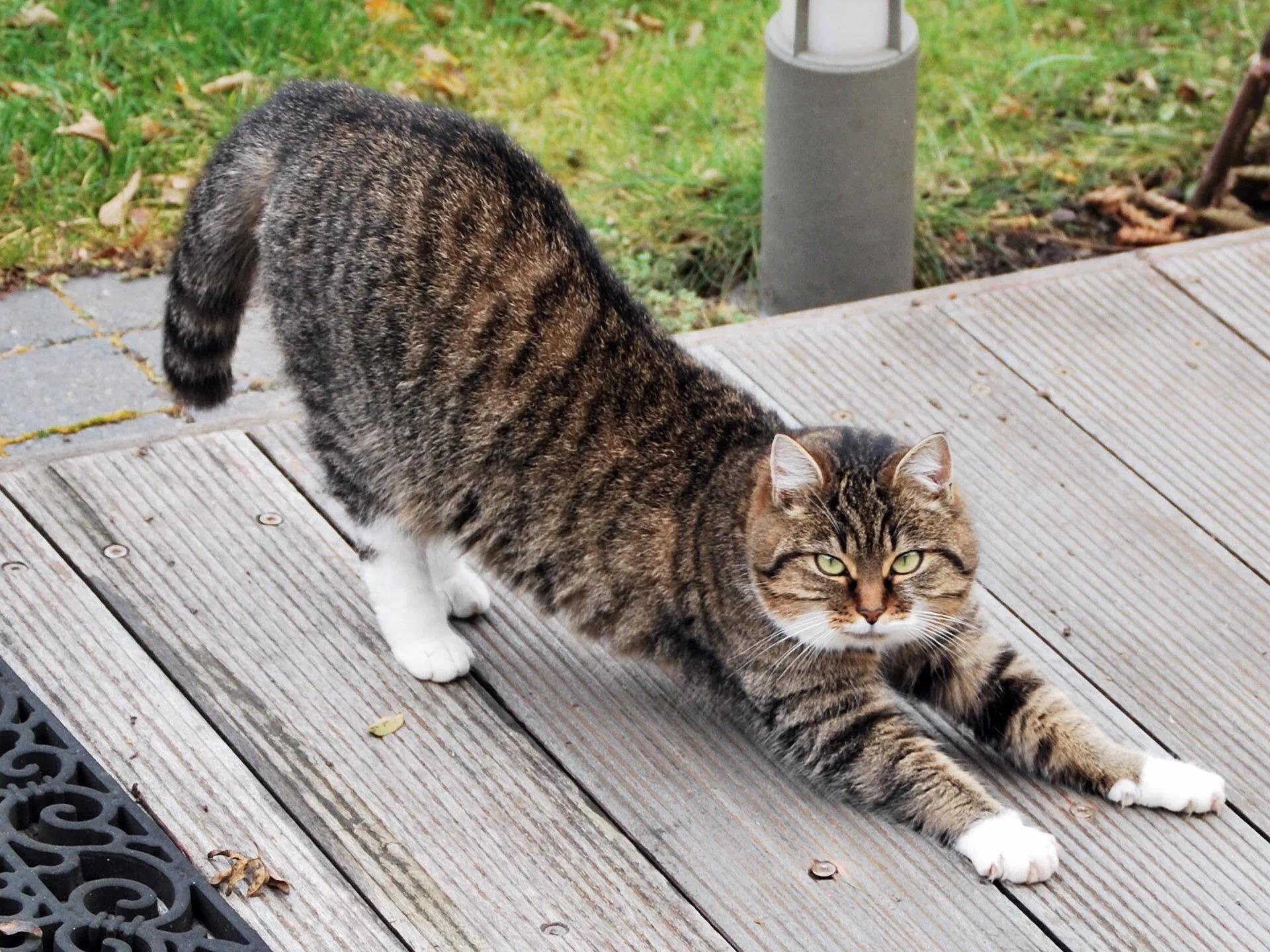
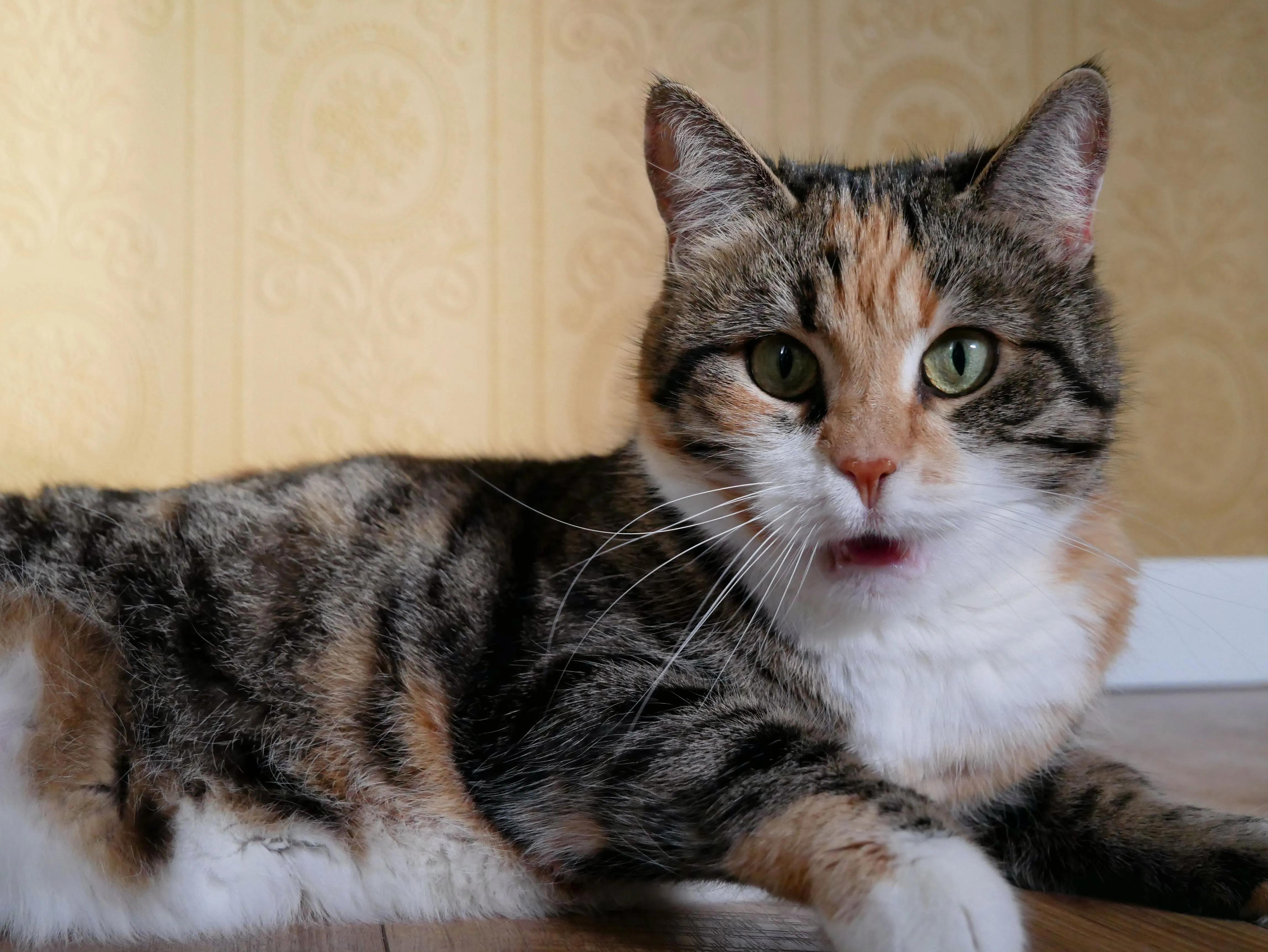
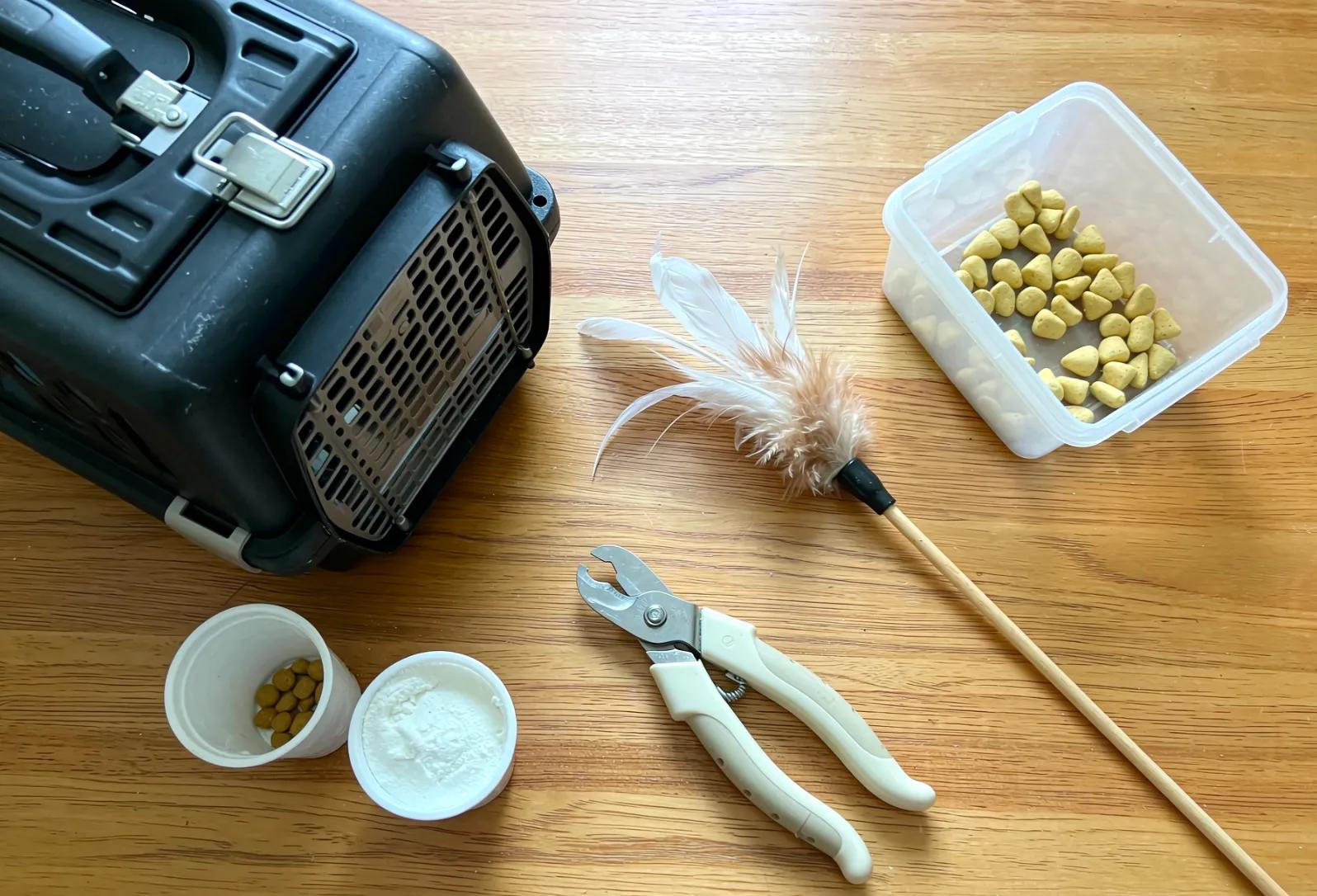
Cat Body Language, Decoded: Tail, Ears, Eyes & Vocal Signals

Here's a scene that happens in almost every cat home: you're petting your cat, it's purring, everything's great — and then, out of nowhere, it swats you and walks off. You're confused. "I thought you were happy!"
Here's the thing: your cat wasn't being random. It was telling you, in very clear signals, that it was done. You just didn't know how to read them.
Cats don't communicate like dogs, and they don't communicate in words. They communicate in tails, ears, eyes, whiskers, and sounds. Best Friends Animal Society puts it well: cat body language is the primary way cats communicate, and a behavior only makes sense in context [1].
The Tail: Your Cat's Mood Barometer
The tail is often the easiest signal to read, because it moves a lot and in obvious ways.
- Held high with a slight hook: greeting you, confident, happy to see you.
- Swishing side to side: agitation or overstimulation — a warning during petting.
- Puffed up: fear or aggression, trying to look bigger.
- Low and tucked: fear, anxiety, or submission.
- Wrapped around you: affection and security.
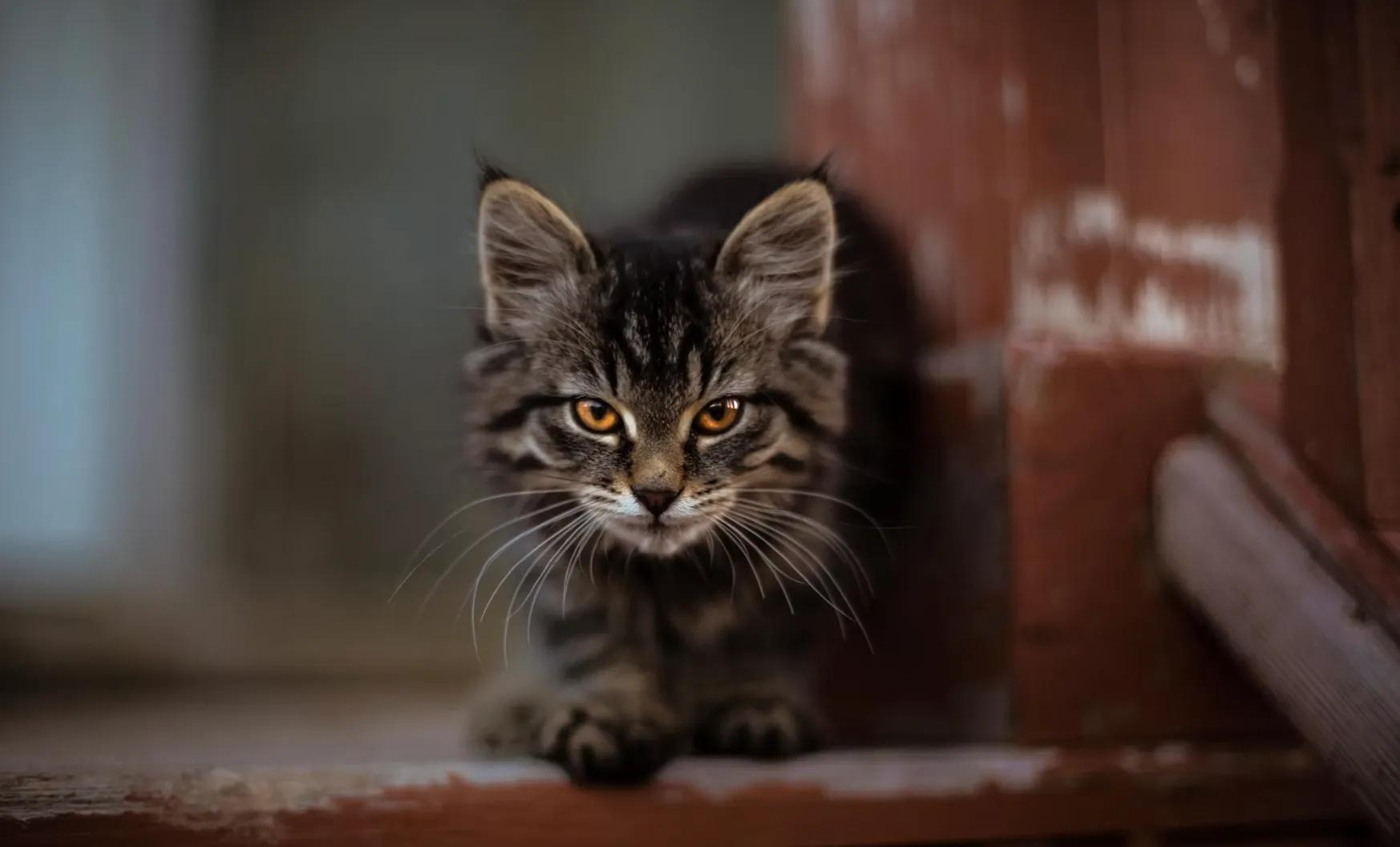
The tail is the first thing to check when you're unsure. It's the most honest part of a cat's body.
Ears, Eyes & Whiskers: The Focus and Fear Signals
The face is where the subtle signals live — and where most people miss them.
- Ears flattened ("airplane ears"): fear, anxiety, or aggression — a strong "back off" signal [1].
- Slow blink: a cat's way of saying "I trust you." Try slow-blinking back — many cats respond.
- Dilated pupils: excitement OR fear — context matters.
- Whiskers pulled back: stress, fear, or discomfort.
Vocal Signals: Meow, Purr, Hiss, Chirp
Purring often means content, but not always — cats also purr when stressed or in pain. Hissing is a clear fear or defensive signal; don't punish it. Chirping is usually hunting excitement. Yowling signals distress, especially in senior cats [1].
Relaxed, Playful, or in Trouble: Telling Them Apart
Here's where the "whole cat + context" rule matters most. Playful cats have looser, "clumsier" movements and may roll on their backs. A truly aggressive cat has a tense body, flattened ears, and a puffed tail. And illness often shows through the body: head low, third eyelid visible, hunched into a tight ball [1].
How to Use Body Language to Prevent Bites (and Train Better)
Reading body language prevents the surprise bite (the tail swished, the ears turned back — you just missed it), tells you when to train (a receptive cat is relaxed, not fearful — the AAFP says don't train a fearful cat [2]), and catches health problems early (a sudden change in body language is often the first sign of pain or illness).
The Takeaway
Your cat isn't mysterious. It's been talking to you the whole time — you just didn't know the language. Read the whole cat. The tail tells you the mood, the ears and eyes tell you the focus and the fear, and the situation tells you what it all means.
When in doubt, check the tail, look at the whole cat, and give it space if it's showing fear.
Furpick.app is a participant in the Amazon Services LLC Associates Program and other affiliate programs. We may earn from qualifying purchases. Content from Amazon and other retailers is provided 'as is' and subject to change. All trademarks are the property of their respective owners.