Is a Heated Cat Bed Safe for Your Cat? A Buyer's Checklist
A reader wrote to me last winter: her senior cat, arthritic and sixteen years old, was glued to a cheap heating pad she'd picked up for herself. It wasn't a pet product. It wasn't certified. And one morning, she found the pad's casing cracked and the cat still stretched out on it, inches from a bare heating wire.
She got lucky. Not everyone does. Uncertified electric heating products — the kind sold at low prices without third-party testing — are a known fire risk, and pets make them worse by lying directly on them for hours. That's not a scare story; it's why certification exists.
So here's the honest question most buying guides skip: is a heated cat bed actually safe? The answer is yes — if you choose the right one, the way you'd vet a space heater for a nursery. This is that checklist.
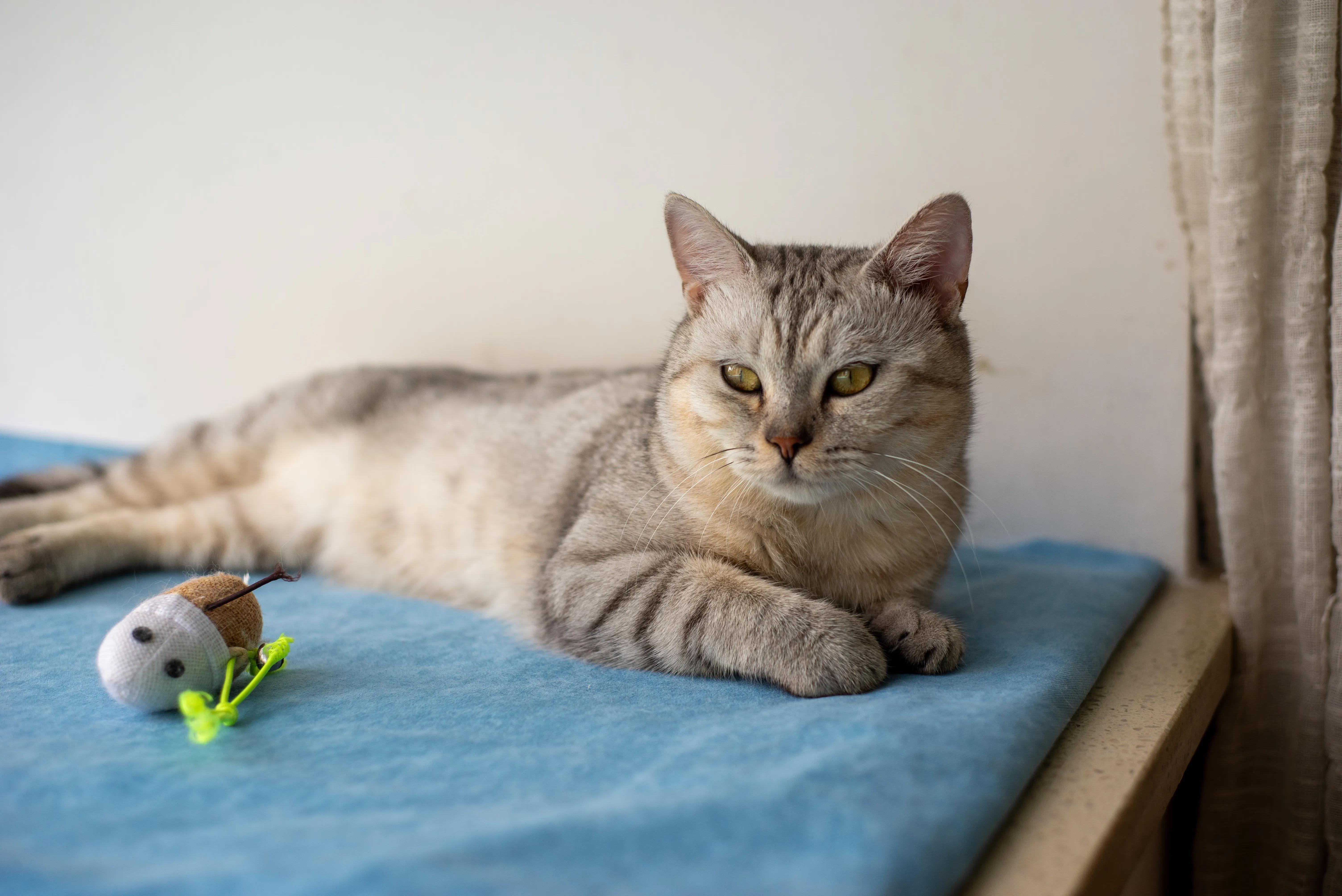
Is a heated cat bed safe at all?
Yes — plenty of cats use them safely every winter. But "safe" isn't automatic. It depends almost entirely on two things: whether the product is made for pets, and whether it's properly certified.
The first rule, and it's non-negotiable: never use a human heating pad on a cat. Human heating pads are designed for short bursts of warmth against human skin. Their surface temperatures run too high and they lack the safety cutoffs pets need. A cat can't tell you it's too hot — especially a senior, a kitten, or a cat recovering from surgery, all of which may not move off the pad even when it's burning them [1]. The result is a real burn risk, and in the worst cases, an electrical fire.
So the checklist starts with: is it made for cats, by a brand that treats pet products like safety equipment?
What certification should a heated cat bed actually have?
This is where most people get tripped up, because the marketing makes it sound easy. It's not.
A safe heated cat bed should carry complete product certification from a Nationally Recognized Testing Laboratory (NRTL) — the same labs that test household electronics. Look for the marks: UL, MET, or ETL/Intertek. These aren't stickers a factory slaps on for fun. They mean an independent lab tested the whole product, not just one component, for electrical safety [1].
Here's the trap: a CE mark is not the same as third-party certification. CE is a self-declared conformity mark used in Europe; it doesn't mean a lab tested the product. If you're in North America, don't be fooled by a CE sticker. The NRTL mark (UL/MET/ETL) is the one that matters.
And a quick note on "certified component" vs "certified product": some manufacturers certify only the heating element or the cord. That's not enough. You want the entire product certified.
How much wattage does a cat bed really need?
More is not better. This is the counterintuitive part.
Indoor heated cat beds and pads are low wattage by design — typically 4 to 6 watts. That's less than a phone charger. It's enough to warm a small space gently, because the goal isn't to heat the room; it's to give your cat a warm spot that won't burn it [1][2].
Outdoor heated pads are a different animal. They run much hotter — around 40 watts — because they're fighting freezing temperatures. But you'd never use an outdoor pad inside, and vice versa. A 40-watt pad in your living room would be dangerously warm.
So the rule: match the wattage to the environment. Indoor bed, low wattage (4-6W). Outdoor shelter, high wattage (40W). If a product page brags about high wattage as a selling point, treat that as a red flag for indoor use.
What does thermostat control actually do?
This might be the single most important safety feature, and it's easy to overlook.
A heated cat bed with thermostatic control doesn't just stay on at full power. It monitors the surface temperature and regulates it to stay near your cat's body temperature — roughly 102°F (about 38.9°C) [1]. When the cat lies on it, the bed warms to that comfortable level and holds it there, rather than climbing.
Without a thermostat, a heating element can keep getting hotter and hotter, which is exactly the burn scenario we're trying to avoid.
Some models go further with a pressure-activated or pet-activated thermostat: the bed stays cool to the touch when empty, and only warms when the cat is actually on it. That's both safer and more energy-efficient — the bed isn't wasting power heating an empty space.
Look for: thermostatic control (non-negotiable), and ideally auto-shutoff or pet-activated warming.
What material should the bed be made of?
The material matters for two reasons: cleaning and comfort.
You need a removable, machine-washable cover. Cats shed, track litter, and occasionally have accidents. A cover you can't wash becomes a health problem fast. Plush or fleece covers are common and comfortable; check that the heating element comes out before washing — never wash the whole bed with the element inside [1].
The base matters for senior cats. A memory-foam base provides cushioning and support for arthritic joints. It's a comfort measure, not a treatment for arthritis — but it genuinely helps a stiff cat settle in.
Water-resistance is a plus. A waterproof or water-resistant outer layer protects the electronics from the occasional spill or accident, which matters for both safety and longevity.
And check the cord: it should be chew-resistant, because cats will absolutely nibble a cord that looks interesting. Don't run the cord under a carpet, where it can overheat unseen.
Heated or self-warming — which is safer?
This is a genuine fork in the road, and the answer depends on your cat and your setup.
Electric heated beds plug in, warm fast, and hold a stable temperature. They're the better choice for a cat that genuinely needs consistent heat — a senior with arthritis, a hairless cat (like a Sphynx), or a cold-climate household. The trade-off is the cord and the electricity, which is why certification matters so much.
Self-warming beds need no electricity at all. They use a layered reflective material that captures your cat's own body heat and radiates it back to them. No cord, no current, no burn risk from overheating. The trade-off is that they only get as warm as your cat's body heat — they won't warm a cold room or provide the extra heat a hairless cat might need [3].
So: if your cat needs real supplemental heat, electric with a thermostat is the right tool. If you just want a cozy, warm spot with zero electrical risk, self-warming is the safer, simpler choice. Neither is "wrong" — they solve different problems.
Does your cat even need a heated bed?
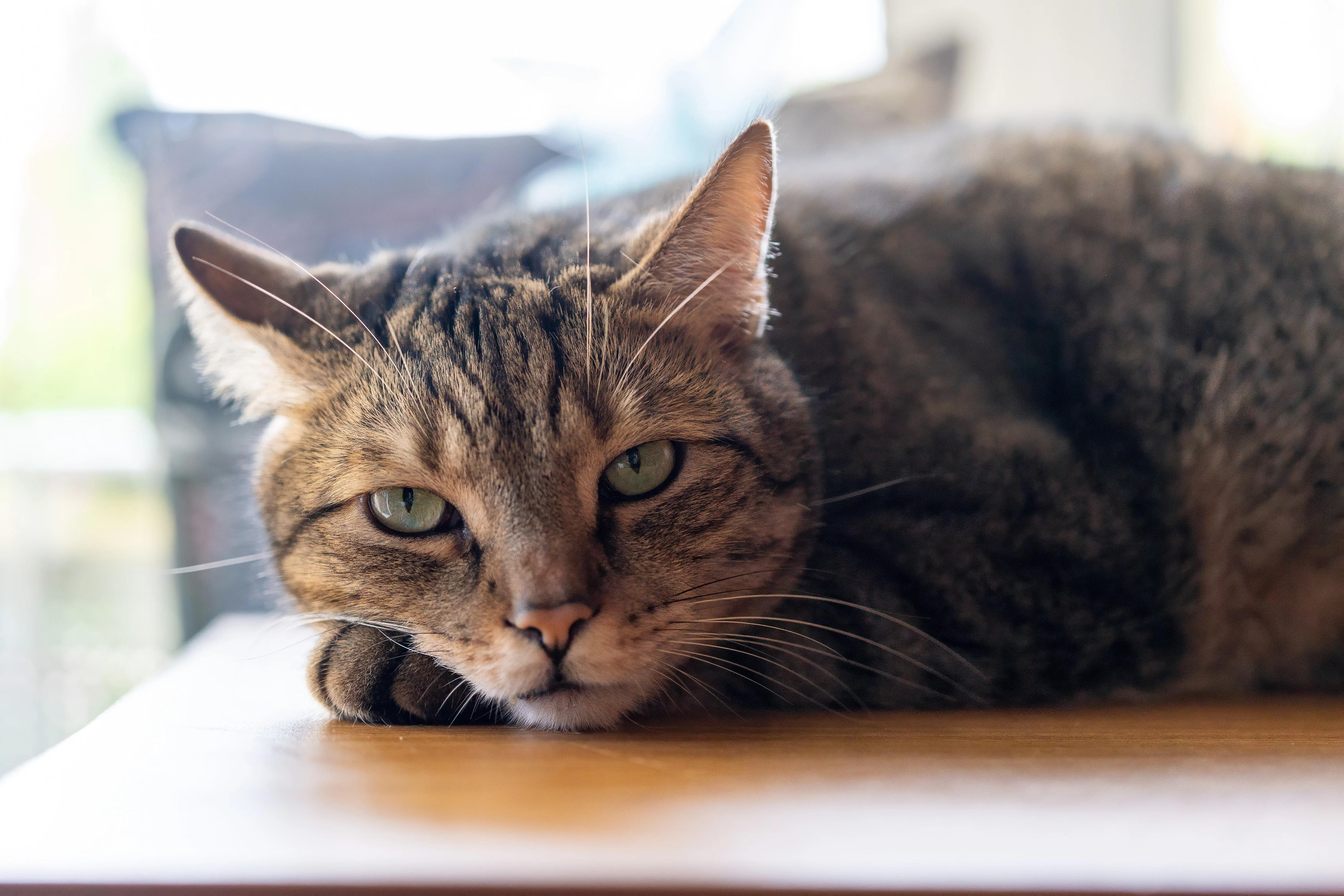
Marketing rarely mentions this part: most healthy adult cats don't need one.
A heated bed is genuinely useful for specific cats:
- Senior cats with arthritis. Warmth helps relieve morning stiffness and joint discomfort. Vets describe it as part of a comfort plan for arthritis management — not a treatment, but a real quality-of-life boost [1].
- Hairless cats like Sphynxes and Peterbalds. Without a coat, they lose body heat fast and burn energy trying to stay warm. A stable heat source helps them save that energy for weight maintenance and normal activity [1].
- Cats recovering from surgery, under a vet's guidance, as a comfort measure.
But a healthy adult cat with a normal coat? It'll happily take a warm bed, sure. But it's not a need — it's a luxury. Cats are good at finding warm spots on their own: a sunny windowsill, a laptop, your lap. Mine sleeps on the heated floor vent in winter and turns down every bed I've bought her, heated or not.
So before you spend, ask honestly: does my cat actually need supplemental heat, or am I just buying a nice-to-have?
When is a "behavior" actually a vet visit?
One more thing worth saying, because it overlaps with this purchase.
If a cat that used to be active suddenly spends all day glued to the warmest spot, that's not necessarily a sign it loves the bed. Combined with other changes — weight loss, increased thirst, hiding, grumpiness when touched — it can point to an underlying medical issue, like hyperthyroidism, arthritis pain, or another condition. A sudden love of warmth isn't a diagnosis, but mention it to your vet anyway.
Heating helps a senior cat feel better. It doesn't replace the vet visit.
The takeaway
Here's the one-line version: a heated cat bed is safe when it's pet-specific, fully certified, low-wattage, thermostatically controlled, and washable — and not every cat actually needs one.
Run this checklist before you buy:
- Is it a pet product (never a human heating pad)?
- Does it carry complete NRTL certification (UL/MET/ETL), not just a CE sticker?
- Is the wattage matched to the environment (4-6W indoor, ~40W outdoor)?
- Does it have thermostatic control (ideally pet-activated)?
- Is the cover removable and machine-washable, with a chew-resistant cord?
- Does your cat actually need supplemental heat?
My reader's cat was lucky. The pad cracked, the wire was bare, and nothing bad happened that day. But that's the thing about safety — you don't find out how lucky you were until it's too late. Do the checklist now, and a heated bed becomes what it should be: a warm spot for a cold cat, not a risk in the corner.
Furpick.app is a participant in the Amazon Services LLC Associates Program and other affiliate programs. We may earn from qualifying purchases. Content from Amazon and other retailers is provided 'as is' and subject to change. All trademarks are the property of their respective owners.