My Cat's Eyes Water When Eating: Causes & What to Do
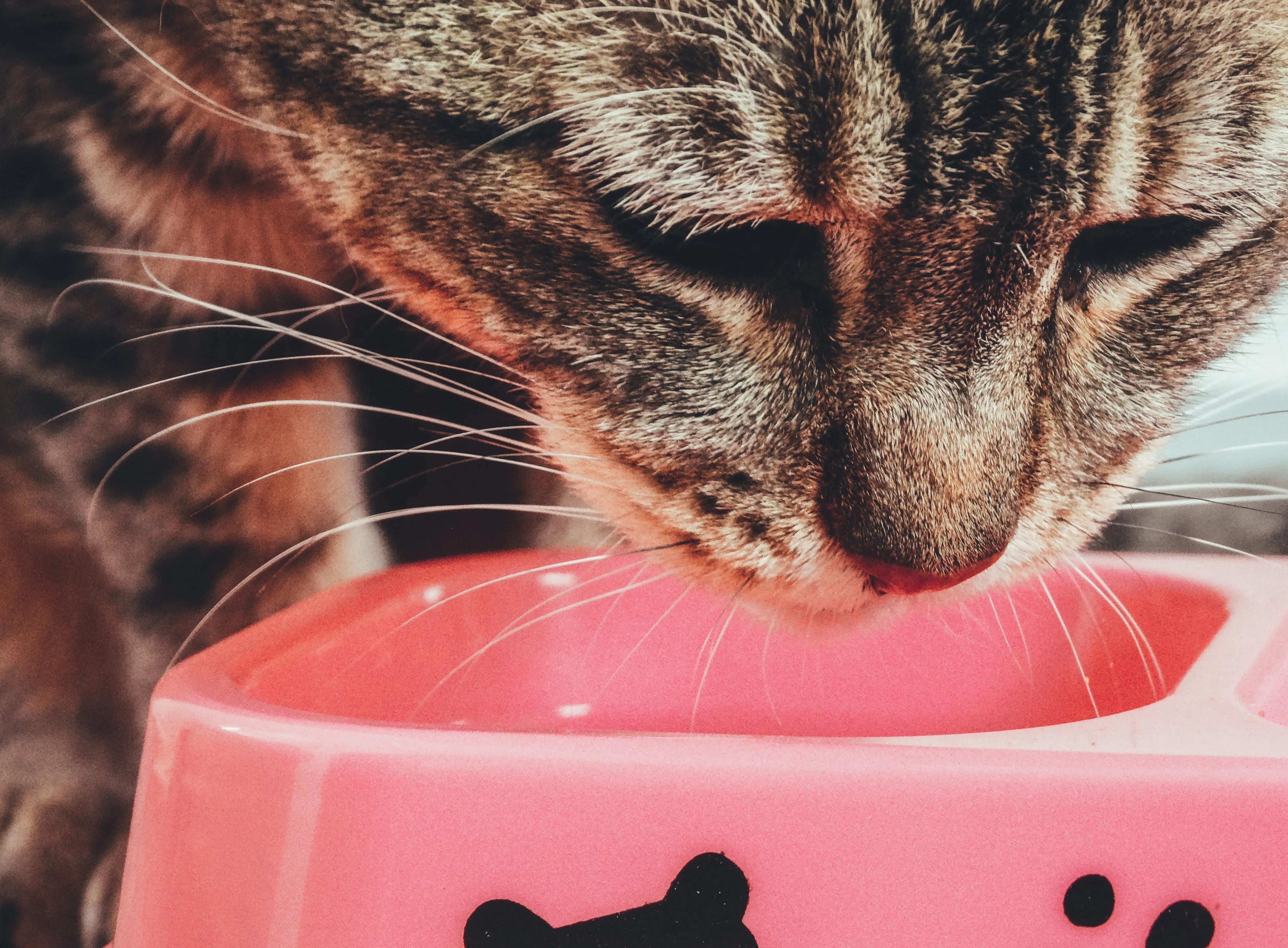
The cat sits down for its meal. After just a few bites, its eyes begin to water. It keeps eating while blinking, tears streaming down its cheeks.
Most people’s first thought is that it simply loves the food so much. Then doubt creeps in — could something be wrong?
This happened to my own cat before. Both possibilities are on the table, honestly. When a cat’s eyes water during mealtimes, it can sometimes be completely harmless. Yet other times, it is a warning sign you should never ignore. The hard part is telling them apart.
Let’s go over the possible causes and, more importantly, what you can do about it. This is not an article about cats crying happy tears. It is a practical guide to help you figure out what is going on and how to deal with it.
Is it normal for a cat's eyes to water when eating?
Here's the short answer: yes, sometimes, and it's not automatically a problem.
Cats don't cry emotional tears the way humans do. A cat tearing up over a tasty bite isn't "crying from joy" — that's us projecting [1]. Watery eyes in cats, called epiphora, simply means tears are overflowing onto the face. It can come from a lot of places, and a lot of them are harmless [1].
So before you panic, take a breath. A single episode of watery eyes while eating, with no other symptoms, is usually nothing to rush to the vet over.
The real question isn't "is it normal." It's "is this occasional and harmless, or constant and a red flag?" We'll get to that.
Why do flat-faced cats' eyes water more?
Here's a clue a lot of owners miss: breed matters.
Flat-faced, or brachycephalic, cats — Persians, Exotic Shorthairs, and similar breeds — have shallow eye sockets and narrow tear ducts. Their nasolacrimal ducts (the drains that carry tears away) are often kinked or compressed, so tears can't drain properly and spill over the face instead [2].
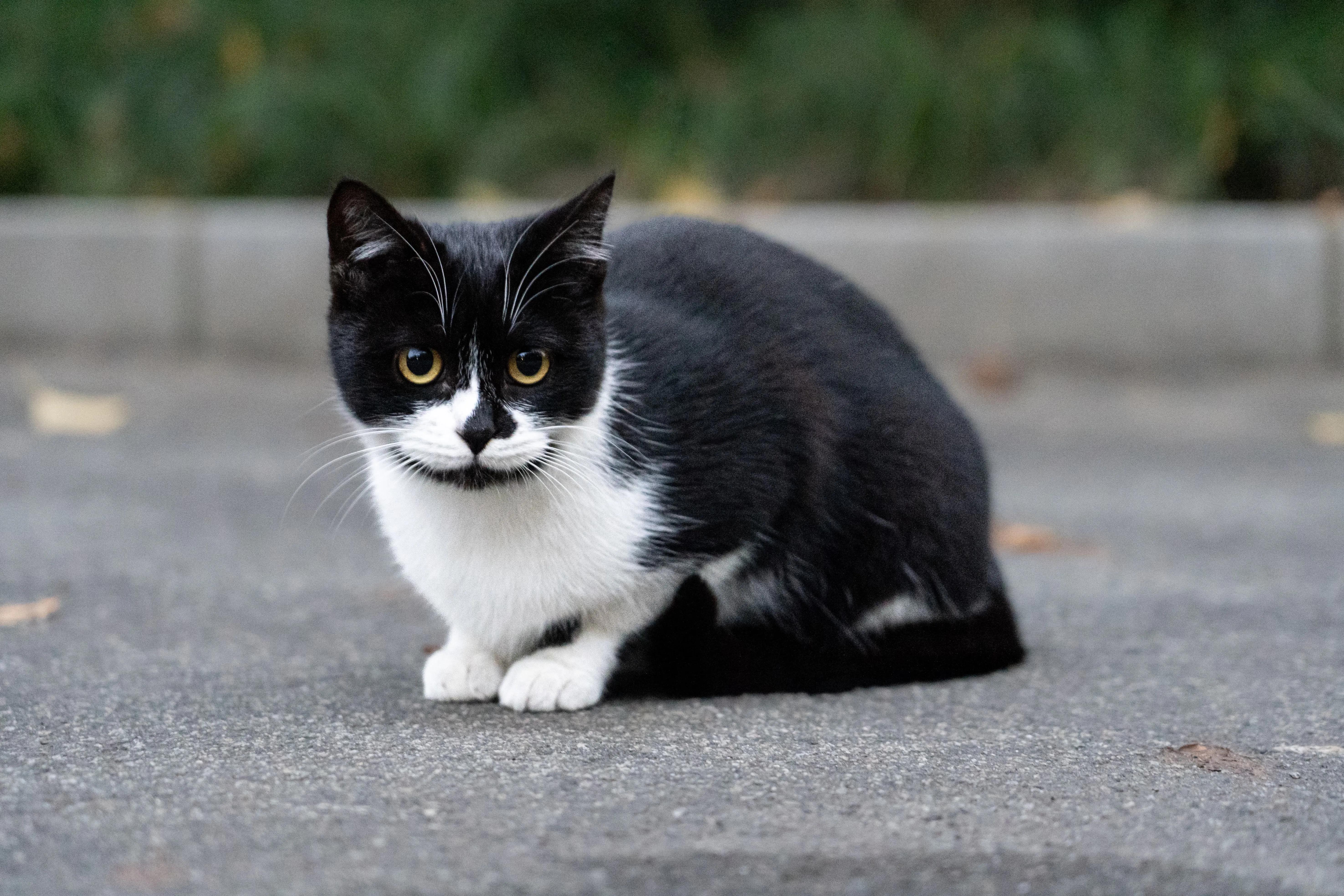
That's why a Persian or Exotic Shorthair can look like it's crying all the time, even when it's completely happy. It's not emotion. It's plumbing.
If your cat is a flat-faced breed, expect a higher baseline of watery eyes. It may just be the anatomy doing what it does. Know your cat's normal — and notice when it changes.
What causes my cat's eyes to water when eating?
Now for the main event. When your cat's eyes water specifically around mealtime, a few things are usually going on. Let's sort them.
The harmless ones:
- Food getting in the eye. Crumbly treats or kibble dust can drift up and irritate the eye. Your cat blinks, and the tears flush it out. This is the most common and most harmless cause [3].
- Head-down eating. When a cat eats with its head lowered, tears that would normally drain away can simply roll forward and pool at the corner of the eye. A raised food bowl can help here. My cat eats wet food like she's trying to bury it — head low, face in the bowl — and that alone makes her eyes water on most days. Totally normal for her.
- A food-related reflex. Some cats show increased tear production when they chew and swallow, tied to the nerves that run through the face and head [3]. It's a reflex, not sadness.
The ones to watch:
- A foreign object. A grass seed, a bit of litter, or a stray hair can get lodged near the eye and cause tearing until it's out [6].
- Allergies or irritation. Dust, pollen, or even a new litter brand can irritate the eyes and cause extra tears.
- An eye problem. Conjunctivitis (pink eye), a scratch on the cornea, or a blocked tear duct can all show up as watery eyes [5]. These tend to be more constant, and they come with other signs.
The pattern matters. A quick tear or two at mealtime, then clear eyes? Probably harmless. Eyes that stay watery, or that water all day whether it's mealtime or not? That's a different story.
When is a watery eye a vet visit?
This is the part worth paying attention to. Watery eyes are a reason to see the vet when they're not just watery — when there's something else going on.
Call your vet if your cat has watery eyes plus any of these:
- Discharge that's yellow, green, or thick. Clear tears are one thing; colored, gooey discharge points to an infection [5].
- Redness or swelling. A red, swollen eye or eyelid isn't "just tears." It's inflammation [5].
- Squinting or keeping the eye closed. A cat that squints or won't open an eye is usually in pain, not being dramatic.
- The eye looks cloudy or the cat seems bothered by light.
- Watery eyes that don't clear up after a couple of days, or that come back constantly.
These aren't "watch and wait" situations. Eye problems can progress fast — a small scratch can turn into a serious ulcer — so it's better to let a vet look quickly than to wait and see [6]. I learned this the hard way with a foster cat I thought just had a weepy eye. Turned out to be a corneal ulcer. Two days of "it's probably fine" cost me a lot of worry and the cat a lot of discomfort.
How do I clean my cat's watery eye safely?
You can do a few things at home — carefully.
First, the golden rule: don't poke at the eye itself. You're cleaning around the eye, not touching it. (The first time I did this, I was so nervous it looked like I was defusing a bomb. My cat was completely unbothered. I was the one who needed a minute.)
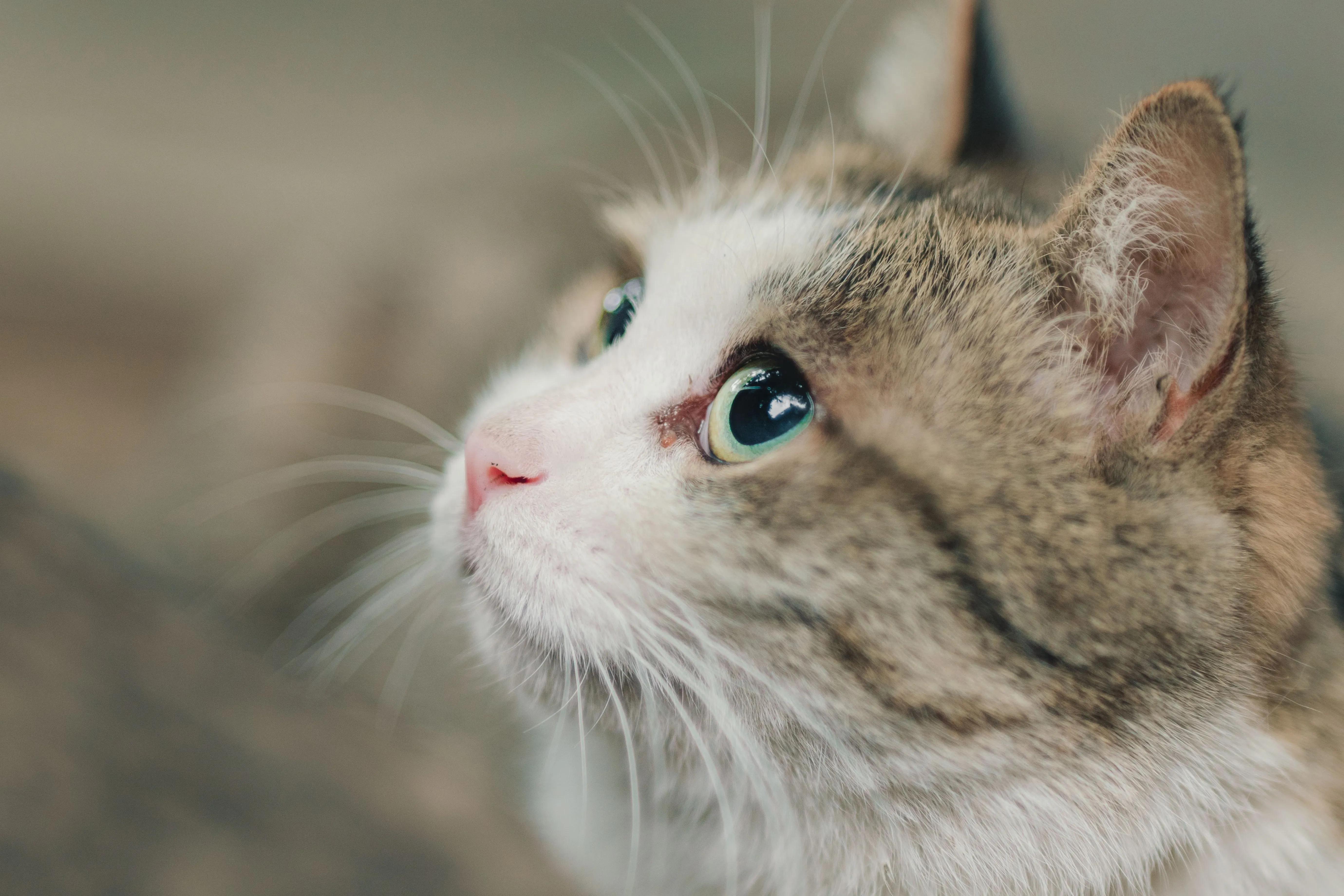
Here's a safe way to do it:
- Wash your hands first. No exceptions.
- Use a soft, clean cloth or a sterile pet eye wipe. A warm, damp cotton ball or pad also works [7].
- Wipe from the inner corner of the eye outward, using a fresh part of the cloth for each pass. This avoids dragging debris back toward the eye.
- Use a clean section for each eye. If you're cleaning both, don't use the same spot on both eyes — you don't want to spread anything.
- Dry gently with a clean, soft towel.
Do this once or twice a day if there's buildup, and keep the area around the eye clean and dry. For flat-faced cats with constant tearing, keeping the face dry helps prevent that reddish-brown tear staining.
One rule of thumb: if cleaning seems to make things worse, or the eye is painful to touch, stop and call the vet.
When should I actually call the vet?
Let me make this simple. Most of the time, you don't need to.
A single episode of watery eyes at mealtime, with clear tears and no other signs, usually just needs a quick clean and a watchful eye. Give it a day or two. If your cat tears up every single time it eats — and only then — bring it up with the vet at your next checkup, but it's not usually an emergency [4].
Call the vet if:
- The watery eye doesn't improve or keeps coming back for several days.
- You see colored discharge, redness, swelling, or squinting.
- Your cat seems to be in pain, paws at its eye, or won't open it.
- The eye looks cloudy, or your cat is suddenly bothered by light.
- Your cat has any other worrying signs, like not eating or acting off.
When in doubt, a quick call is always fine. Vets would rather you ask than wait. There's no medication I can hand out here — just this: watch for the red flags, keep the eye clean, and let a professional look if anything seems off [8].
The takeaway
Here’s a plain‑spoken version: To put it simply, it’s usually no big deal if your cat’s eyes water while eating. But if this happens every single time, along with eye discharge, redness or constant squinting, don’t put it off — take them straight to the vet.
Get to know what’s normal for your cat. Flat‑faced breeds are prone to watery eyes by nature. Wipe their eyes gently now and then and keep an eye out for warning signs. If something feels off to you, a quick vet check‑up is well worth the peace of mind.
Cats don’t cry happy tears, and chances are nothing’s wrong. They’re just blinking away while chowing down. Most of the time, that’s all it is.
Furpick.app is a participant in the Amazon Services LLC Associates Program and other affiliate programs. We may earn from qualifying purchases. Content from Amazon and other retailers is provided 'as is' and subject to change. All trademarks are the property of their respective owners.