Cat Water Fountain Buyer's Guide: 6 Things Real Owners Wish They'd Checked First
Cat Water Fountain Buyer's Guide: 6 Things Real Owners Wish They'd Checked First
A cat water fountain sounds like a no-brainer. Moving water, more drinking, fewer vet bills for urinary trouble. So you order one, unbox it, plug it in — and six months later you're scrubbing black gunk out of a pump housing you can't even take apart, wondering why nobody mentioned this.
I read through tens of thousands of real Amazon reviews across the most popular stainless steel cat fountains before writing this. And the gap between the marketing page and what owners actually complain about is enormous.
Here's the uncomfortable part: the reviews aren't mostly about whether the fountain works. They're about what happens after — cleaning, mold, parts you can't reach, and a pump that costs nearly as much as the whole unit to replace.
So before you buy, here are the six things real owners wish they'd checked first.
How much cleaning is this thing actually going to take?
This is the #1 pain point in the reviews.
One owner of a top-rated fountain was meticulous — deep clean every week, exactly as the video showed. Six months in, they still found mold growing inside a plastic piece that doesn't come apart. The cleaning video didn't cover it. The part was glued in. That's the trap.
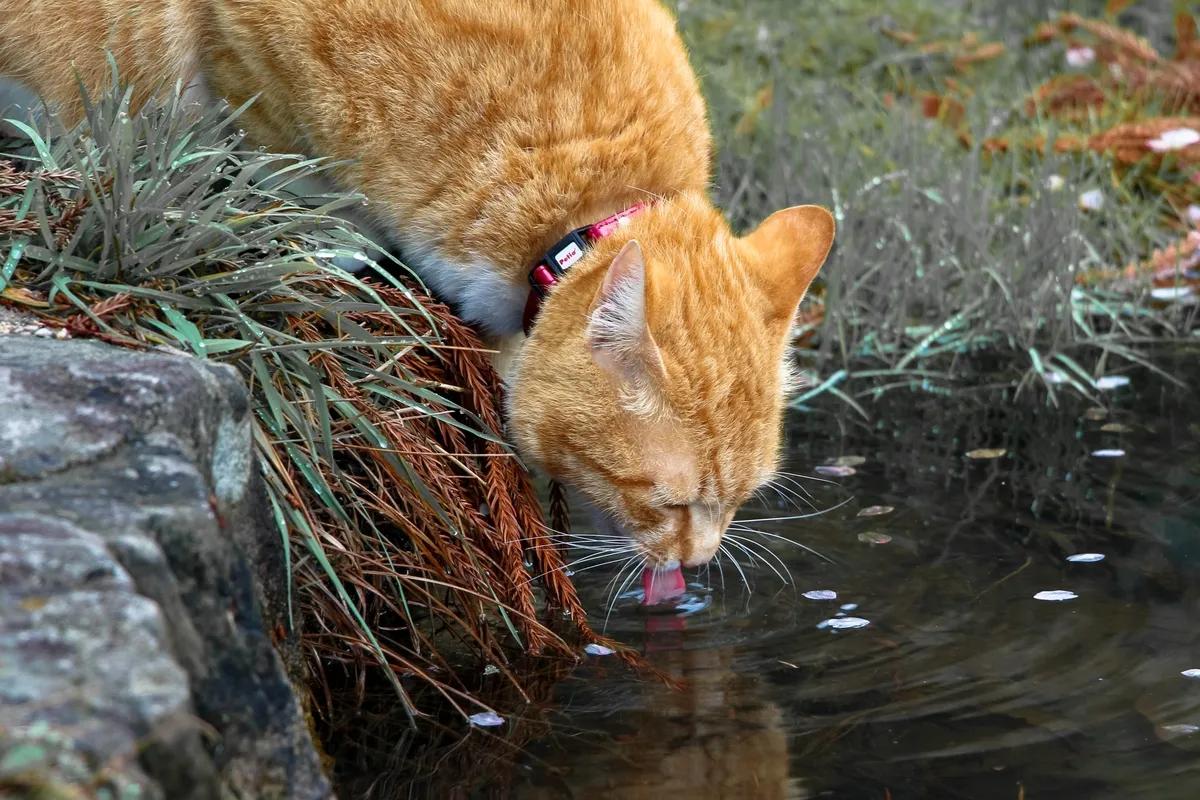
A fountain's job is to move water. But every nook where water sits — the pump housing, the spout bracket, the seams — is also where biofilm and mold set up shop. If you can't reach it with a brush, you can't clean it. And "can't clean it" eventually becomes "your cat drinks from a mold farm."
The fix: before buying, look at whether every part that touches water actually comes apart. Not just "removable" in the marketing sense — fully disassemblable, every plastic piece, no glued-in corners.
Is every part that touches water actually removable?
This is the same question as above, but it deserves its own section because the reviews are so clear about it.
Two fountains can both claim "easy to clean." One has a pump you pop out in two seconds and a spout that clicks apart. The other has a pump with a wire that doesn't detach and a bracket that's sealed. One is easy. The other is a money-and-effort trap that grows mold.
Real owners specifically called out the pump wire connection and the spout bracket as design flaws — parts you can't take apart even when you want to. And the cost of that: you're stuck cleaning around a part you can't actually clean, or you buy a replacement pump that can cost nearly as much as the entire fountain itself.
If a product page doesn't clearly show every part disassembled, assume the hidden parts are the problem.
How loud is it, really, in a bedroom?
"Quiet" is on every box. The two fountains I looked at claim under 25–28 decibels, and most owners agree: these pumps are genuinely quiet. Plenty of people run them in bedrooms and say they can't hear them.
But here's the nuance worth knowing: quiet isn't a guarantee — it's a pump-specific thing. The same brand can ship a dud pump. And over time, a pump that's clogging with fur and debris starts to hum louder before it stops entirely. That hum is usually your first warning that maintenance is due.
So treat "quiet" as a real box to check, but also plan for the fact that a pump will eventually need cleaning — because a clean pump is a quiet pump.
Stainless steel or plastic — does it actually matter?
Yes, and the reviews back it up in a way marketing pages can't.
Stainless steel fountains have one clear, repeated win in the reviews: owners who switched from plastic say their cat's chin acne (feline acne, little black specks) cleared up. Plastic harbors bacteria in micro-scratches; steel doesn't. That's a real, user-verified benefit.
But steel isn't magic. Several owners of stainless fountains reported rust spots after about a year of use — enough that some bought a second unit. So the honest framing: steel beats plastic for cleanliness and acne, but it's not indestructible, and cheaper steel can still pit over time.
The practical pick: stainless steel body for the parts that touch your cat, plus a pump you can actually disassemble. That combination addresses the two biggest complaints at once.
Will your cat even drink from it?
This is the one nobody's ready for. Not all cats like fountains.
There's a recurring piece of advice in the reviews, and it's good: before you spend money on a fountain, try a wide bowl. Some cats just want still water in a big bowl. If your cat already drinks well from a bowl, a fountain might not change anything — and might sit untouched in the corner.
The other factor is flow strength. A strong, splashing stream puts some cats off; they'll lap from the reservoir instead of the spout, or just drink elsewhere. Fountains with adjustable or gentle flow do better for picky drinkers.
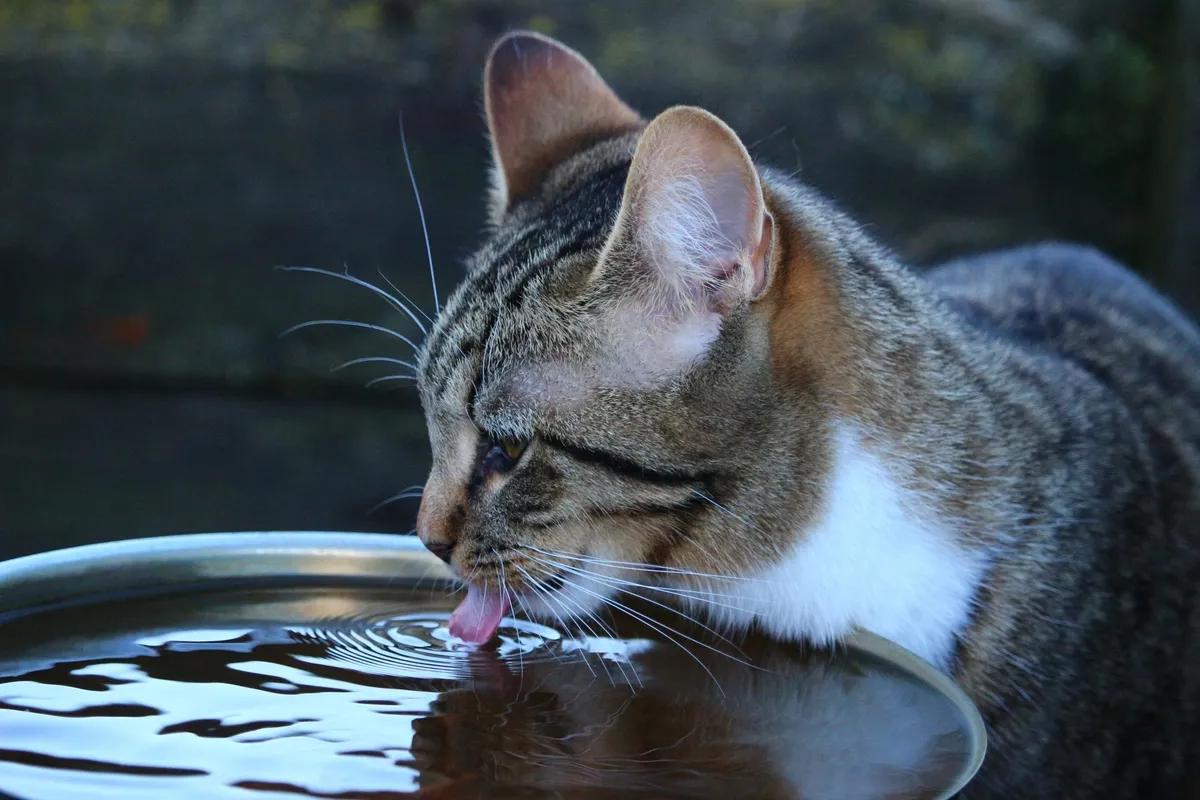
So the honest first step: watch your cat around running water. Does it lean in to the faucet? Then a fountain's probably a win. Does it ignore the sink and only drink from its bowl? Save the money and buy a bigger bowl.
What does it cost to fix when it breaks?
The pump is the weak link. It's the only moving part, it wears out, and it clogs.
Here's the number that should make you pause: one reviewer's replacement pump cost almost as much as the fountain itself. Replacing the pump ran close to the full price of the whole unit.
- Does the brand sell a replacement pump, and what does it cost?
- Is there a warranty? (A decent one usually covers 12–18 months.)
- Is the pump a standard size you could swap, or a proprietary part you're locked into?
A replacement pump that costs nearly as much as the fountain is only fine if you know about it in advance. Surprise repair costs are how "budget" purchases stop being budget.
The takeaway
Here's the one-line version: a cat water fountain is only as good as its cleaning routine and its pump — check both before you buy.
- Can every water-touching part actually be taken apart and scrubbed? (Mold hides in the parts you can't reach.)
- Is it quiet enough for where you'll put it — and will the pump stay quiet when clean?
- Stainless steel body, for the feline-acne win — but know steel can pit over time.
- Does your cat actually drink running water? Try a wide bowl first if you're not sure.
- What's a replacement pump cost, and is there a warranty?
The best-selling fountains are good products. The difference between one you love and one you curse at isn't the rating — it's whether you can clean it, whether your cat drinks from it, and what it costs when the pump dies.
Do that homework now, and the fountain you buy will be the one you don't think about again — except to fill it.
Furpick.app is a participant in the Amazon Services LLC Associates Program and other affiliate programs. We may earn from qualifying purchases. Content from Amazon and other retailers is provided 'as is' and subject to change. All trademarks are the property of their respective owners.